

Nothing says peak summer like an abundance of homegrown basil and sun-ripened tomatoes - and this Gluten Free Pesto Focaccia is one of the most delicious ways to put them to use. It’s perfect with salads, soups, or simply torn apart and enjoyed warm straight from the pan.

Jump to:
- Recipe Ingredient Notes
- Recommended Tools
- Pesto Focaccia Testing Notes
- Gluten Free Focaccia Dough
- Shaping the Gluten Free Pesto Focaccia
- Baking Instructions
- Serving & Storage
- Pro Tips for the Best Gluten Free Pesto Focaccia
- Note about Salt in my Recipes
- Baking in grams
- Note about Ovens and Oven Temperatures
- Substitutions and Modifications
- More Gluten Free Focaccia Recipes to try
- 📖 Recipe
- 💬 Comments
Recipe Ingredient Notes
Caputo Fioreglut Gluten Free Flour: This gluten free pesto focaccia was specifically developed to be made with Caputo Fioreglut. This Italian-imported flour is the secret to creating incredible gluten-free pizzas and breads. Its ultra-fine texture eliminates any grittiness or grainy aftertaste, resulting in a smooth, well-structured dough that bakes up beautifully and doesn’t taste “gluten-free.”
Caputo Fioreglut contains gluten free wheat starch, so if you have a wheat allergy, this flour is not for you. You can read more about gluten free wheat starch here: What is gluten free wheat starch?
Brown Rice Flour: Baked goods made with Caputo Fioreglut can taste very bland, especially when they don't contain any eggs or dairy. This is why I love adding some super fine brown rice flour to this gluten free pesto focaccia. It not only helps with a better structure and crumb but also helps with flavor. Sorghum Flour works here as well.
Instant Yeast: While I usually prefer Active Dry Yeast, I use Instant Yeast to keep things simple. It can be mixed directly into the dry ingredients - no need to activate it in warm water first. If you prefer using Active Dry Yeast, just be sure to activate it in warm water (no hotter than 114°F) before adding it to the dough.
Milk Powder: This ingredient is optional, but a bit of milk powder helps give the pesto focaccia a beautiful golden brown color. If you prefer to keep it dairy-free, simply leave it out. (Just a heads-up - non-dairy milk powder won’t have the same effect.)
Pesto: Homemade pesto or store-bought, either works perfectly fine for my pesto focaccia recipe. I use a traditional basil pesto (Pesto alla Genovese) in this recipe, but I also tested it with sundried tomato pesto (Pesto Rosso), which pairs very well with the tomatoes and fresh mozzarella. If you are nut and/or dairy free, make sure to choose a pesto that does not contain nuts or dairy.
Tomatoes: I like using cocktail or cherry tomatoes for topping the focaccia. They are sweet, small, and low in moisture and won't cause the focaccia to be soggy.
Fresh Mozzarella: Cherry-sized mozzarella balls (bocconcini) are perfect for focaccia. For best results, pat them dry and add them after baking to keep their creamy texture intact and prevent excess moisture from softening the crust. If Mozzarella is not your thing, feel free to substitute it with some fresh goat cheese, queso fresco or some feta crumbles.
Italian Seasoning: I use a classic Italian seasoning, but to kick it up a notch, I add some dried garlic and red pepper flakes to the mix. It's one of those things I eyeball since everyone's preference for heat is different. (Classic Italian seasoning without garlic or red pepper flakes works just as well).
Olive Oil: The best oil to use is olive oil. Focaccia is an Italian bread, after all - so it only makes sense to use a good Italian oil.
See recipe card at the bottom of this blog post for full information on ingredients and quantities.

Recommended Tools
To successfully make this gluten free pesto focaccia, you will need the following equipment
Digital Kitchen Scale: a digital kitchen scale a must-have to make this recipe (or any of my recipes). For small amounts under 10 grams, I like to use this Precision Pocket Scale.
Two Mixing Bowls: While you can mix the dough with a stand mixer and a dough hook, I prefer mixing it by hand in a large mixing bowl. You will need two mixing bowls. One to make the focaccia dough and one for proofing.
Danish Dough Whisk or Wooden Spoon: Use something sturdy for mixing the focaccia dough by hand like a Danish Dough Whisk. It has a long handle with a unique, looped wire design at the end, resembling a spiral. The open shape of the whisk allows it to easily cut through thick doughs. This makes it ideal for bread, pizza, and other types of dough without overworking or compacting the ingredients.
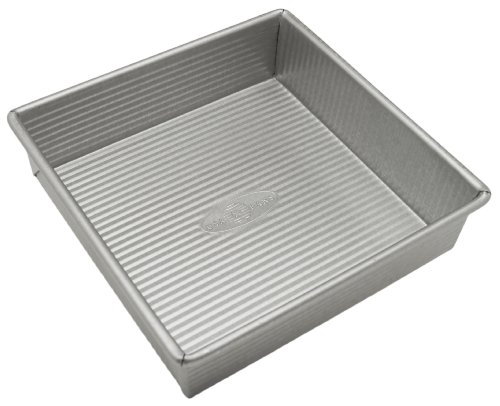
8x8 pan: This recipe was developed for an 8" inch Square Cake Pan. You can use a 9" pan but keep in mind the focaccia will be thinner and bake faster.
You will also need cutting board and a small knife, like a pairing knife to slice the cherry tomatoes and a pastry brush (the back of a spoon works as well).
Pesto Focaccia Testing Notes
I’ve been tinkering with the idea of a gluten free pesto focaccia for a few years now. While my classic Gluten Free Focaccia is delicious on its own, I love experimenting with new flavors. Like my Gluten Free Cinnamon Roll Focaccia and Gluten Free Focaccia Pizza - and of course this pesto variation.
During one of my first test bakes I quickly realized I was not a fan of topping the unbaked focaccia dough with pesto and then baking it. It lost its vibrant color in the oven, and the flavor faded more than I expected.
So it was back to the drawing board. For my next bake, I topped the focaccia with cherry tomatoes - because pesto and tomatoes? That’s always a win. To preserve the full flavor of the pesto, I skipped baking it and instead brushed it onto the focaccia after it came out of the oven. Turns out, that was a genius move.
For the final bake, I kept the pesto and tomato topping as before but added one more layer of flavor: fresh mozzarella. Once the focaccia came out of the oven, I tore a few cherry-sized mozzarella balls in half, patted them dry, and scattered them over the warm bread. The residual heat softened the cheese just enough, giving each bite a creamy, melty finish without making the focaccia soggy. It was the perfect final touch.

Gluten Free Focaccia Dough
This focaccia dough couldn’t be easier—no stand mixer required. Just stir it together with a Danish dough whisk or wooden spoon. Make sure you have two mixing bowls on hand - it will make your life so much easier to allow the gluten free focaccia dough to rise in an oiled bowl.
Focaccia dough is a high hydration dough and is meant to be sticky.

- Step 1: Combine the gluten free flour, super fine brown rice flour, milk powder (if using), sugar, kosher salt and Instant Yeast in a large bowl.

- Step 2: Using a dough whisk or a regular whisk, mix the dry ingredients together until fully combined.

- Step 3: Next add the warm water (around 120-130F) and olive oil to the dry ingredients.

- Step 4: Using a Danish dough whisk or a wooden spoon, mix everything until a wet, slightly lumpy dough forms. It may seem too loose at first, but as you stir, the flour will absorb the liquid. Continue mixing until the dough becomes smooth and starts to thicken.

- Step 5: Using a flexible spatula, scrape down the sides of the mixing bowl and shape the dough into a loose ball. It doesn’t have to be perfect; this just makes it easier to transfer. Let the dough rest in the bowl for a few minutes to allow the flour to fully hydrate.

- Step 6: Measure about 15 grams of oil and add it to the bottom of a second mixing bowl. Transfer the pesto focaccia dough to the oiled bowl.

- Step 7: Using the spatula, turn the dough a few times to coat it fully in oil, shaping it into a smoother ball.

- Step 8: Cover the bowl with plastic wrap or a clean towel and refrigerate for at least an hour or until doubled in size. This slow rise enhances both the dough’s texture and flavor.
Shaping the Gluten Free Pesto Focaccia
Before you can bake the glute free pesto focaccia bread, it must rise again at room temperature. Please plan accordingly since it can take anywhere from 1 hour to 1.5 hours, depending on how warm your kitchen is. (On a warm and humid day, this may take less time).
This recipe was developed for an 8" inch Square Cake Pan. You can use a 9" pan but keep in mind the focaccia will be thinner and bake faster.

- Step 1: When ready to bake, remove the gluten free pesto focaccia dough from the refrigerator. It should have doubled in size and look puffy.

- Step 2: Lightly oil the bottom of an 8x8-inch pan - just a small amount to keep the bread from sticking. With a flexible spatula transfer the focaccia dough to the prepared pan.

- Step 3: Lightly grease your fingers with some additional olive oil and gently spread out the dough so it will fill the baking dish. Be careful not to tear it.

- Step 4: Cover the pan loosely with a clean towel or a piece of plastic wrap. Allow the dough to rise in a warm spot until it has doubled in size. This depends on how warm your kitchen is. You can also place the gluten free pesto focaccia in the fridge and allow it to rise slowly in the fridge overnight.
Baking Instructions
Once your focaccia is getting close to being fully proofed (yes, you are allowed to take a peek), preheat the oven to 415F and prepare the toppings. The pesto focaccia dough should look noticeably puffier, like a soft pillow.

- Step 1: Start by slicing the cocktail tomatoes in half. Combine them in a small bowl with the seasonings, a little kosher salt and olive oil.

- Step 2: Retrieve the fully proofed gluten free focaccia dough. It should look should look noticeably puffier, like a soft pillow.

- Step 3: Spoon the seasoned tomatoes (along with the oil used to season them) over the focaccia dough. Make sure they are evenly distributed. If you like, gently ‘dimple’ the bread. Be careful not to press out a lot of the air pockets that have developed during proofing. (I don't go overboard here. I do press the tomatoes lightly into the dough to make sure they stick to it.)

- Step 4: Place the pesto focaccia in the fully preheated oven and bake at 415F for 25-28 minutes. You know your focaccia is ready when it is golden brown, smells like heaven, and pulls away from the sides. (If you want to check its internal temperature - it should be above 205F). The cherry tomatoes should be wrinkled, soft, and slightly caramelized.
Pro Tip: If your Pesto Focaccia is lacking color (meaning it won't turn brown), increase the oven temperature to 450F for the last 5 minutes or baking time.

- Step 5: Remove the baked focaccia from the oven and right away top it with pesto. I use a pastry brush to spread it out. If your pesto is on the thicker side, thin it out a bit with additional olive oil.

- Step 6: Tear the small mozzarella balls in half and scatter them over the warm pesto focaccia. The residual heat should start to melt them slightly. If needed, place the focaccia back into the still-warm (but turned off) oven for a minute or two to help the cheese melt. Finish with some fresh basil and serve.
Serving & Storage
Gluten Free Pesto Focaccia is best the day it has been baked. I love serving it still warm or at room temperature. It makes a flavorful addition to any brunch or lunch spread and pairs beautifully with salads, soups, or a glass of wine.
IF you happen to have some leftovers, just store them in an airtight container in your fridge for 1-2 days. I don't even bother warming it up and eat it just like cold pizza straight from the fridge. If you want to reheat it, I recommend wrapping it in some foil and placing it in a 350°F oven for 5-8 minutes. I don't recommend using the microwave since it will turn the gluten free focaccia soggy.
Pro Tips for the Best Gluten Free Pesto Focaccia
- Use the correct flour: The only gluten free flour blend I recommend for this recipe is Caputo Fioreglut. I normally buy it from BrickOvenBaker, which has a better price than Amazon. PLUS if you use the discount code DANIELA, you get 10% off your order.
- Embrace a Wet Dough: Gluten free focaccia dough should be soft, sticky, and more like a thick batter than a traditional dough. Don’t be tempted to add more flour.
- Let the dough rise in a clean, oiled bowl: It’s easier to handle and won’t stick like crazy. You also get a better visual on how much it’s risen - important for GF doughs that don’t rise dramatically.
- Add pesto and cheese at the end: Fresh basil pesto wilts and turns black in the oven. Not a very appealing looking. Add it after baking for flavor and looks. Same for soft cheeses like mozzarella - they melt better on residual heat.

Note about Salt in my Recipes
I use Diamond Kosher Crystal Salt in all of my recipes unless otherwise stated. If use use a different brand or kind of salt in your kitchen please adjust accordingly since some salts can be saltier. If you use Morton’s Kosher Salt please be aware that their salt granules are smaller in size, denser, and crunchier and twice as salty.
Baking in grams
I share my recipes in grams and by weight since baking by weight is the most accurate way to bake. Digital Scales are very affordable and easy to use. You can purchase them on Amazon for less than a set of measuring cups. For small amounts under 10 grams, I like to use this Precision Pocket Scale. Measuring cups are very inaccurate which can cause significant errors when it comes to gluten-free baking or baking in general. Especially since I bake with gluten-free flours which weigh differently than “regular” flours. I do provide some ingredients like spices and leavening agents in measuring spoons. To learn more about Baking with a digital scale, make sure to check out my post about Baking by weight.
Note about Ovens and Oven Temperatures
All my recipes are tested and developed with a conventional oven. I always bake my baked goods on the rack placed in the MIDDLE of my oven. This way the heat coming from the bottom will not burn my baked goods.
If you are baking with convection (fan-forced), please adjust the recipes accordingly. Convection oven can cause baked goods to dry out quickly and still be raw inside. Since takes at least 15-20 minutes for a standard American Oven to be fully preheated. I highly recommend investing in an Oven Thermometer.
Substitutions and Modifications
Any dietary or ingredient modifications/substitutions to this recipe may alter the end result in appearance and taste. I test my recipes several times as published in this post and The Gluten Free Austrian Blog is not responsible for the outcome of any recipe you find on our website.
More Gluten Free Focaccia Recipes to try


📖 Recipe
Gluten Free Pesto Focaccia

Soft, fluffy, and packed with flavor, this Gluten Free Pesto Focaccia is the perfect summer bread. Easy to make, no kneading required, and great with salads, soups, or on its own.
Ingredients
Gluten Free Pesto Focaccia
- 245 grams Caputo Fioreglut Flour
- 35 grams superfine brown rice flour
- 15 grams granulated white sugar
- 10 grams milk powder (OPTIONAL!)
- 4 grams kosher salt
- 4 grams Instant Yeast (Rapid Rise)
- 250 grams water, warmed to 120-130F
- 15 grams oil such as high quality olive oil
- Additional oil for greasing the bowl and the baking dish
Toppings
- 10-15 Cherry Tomatoes
- 2 teaspoons Italian Seasoning
- ½ teaspoon garlic powder
- a generous pinch of red pepper flakes (optional)
- 20 grams olive oil
- 2-3 Tablespoons Pesto (Measure with heart)
- a few Cherry-sized mozzarella balls (bocconcini) torn in halves
- some flaky sea salt if needed
Instructions
Gluten Free Focaccia Dough
- In a large mixing bowl, whisk together the gluten free flour, super fine brown rice flour, milk powder (if using), sugar, kosher salt, and instant yeast until well combined.
- Add the warm water (around 120 - 130°F) and olive oil to the dry ingredients.
- Using a Danish dough whisk, wooden spoon, or sturdy spatula, stir until a wet, slightly lumpy dough forms. It might look too loose at first, but keep mixing - within a minute or two, the flour will begin absorbing the liquid and the dough will start to smooth out and thicken.
- Scrape down the sides of the bowl with a flexible spatula and gently shape the dough into a loose ball. Don’t worry about making it perfect - this just makes it easier to transfer.
- Let the dough rest in the bowl for 5 - 10 minutes to allow the flour to fully hydrate.
- In a second bowl, pour in about 15 grams of olive oil (roughly 1 tablespoon) and swirl to coat the bottom. Transfer the dough into the oiled bowl, then use the spatula to turn the dough a few times until it’s fully coated in oil and roughly shaped into a smoother ball.
- Cover the bowl with plastic wrap or a clean towel and refrigerate for at least 1 hour, or until the dough has doubled in size. This slow, cold rise helps develop better texture and flavor.
Shaping & Second Proof
This recipe was developed for an 8" inch Square Cake Pan. You can use a 9" pan but keep in mind the focaccia will be thinner and bake faster.
- When you're ready to shape, remove the gluten free pesto focaccia dough from the refrigerator. It should look puffy and roughly doubled in size.
- Lightly oil the bottom of an 8x8-inch baking pan - just enough to prevent sticking. Using a flexible spatula, gently transfer the dough into the prepared pan.
- Grease your fingers with a little olive oil and carefully press the dough toward the edges of the pan. Work gently to avoid tearing the dough.
- Cover the pan loosely with a clean kitchen towel or plastic wrap, and let the dough rise in a warm spot until it doubles in size. The timing can vary depending on the temperature of your kitchen - anywhere from 45 minutes to 1.5 hours.
Optional: For even more flavor development, cover the dough and let it rise for a few hours in the fridge. Bring it to room temperature before baking.
Baking Instructions
As your gluten free pesto focaccia dough nears the end of its second rise (and yes - it's totally fine to take a peek), preheat your oven to 415°F (215°C). The dough should look visibly puffier, soft, and airy. While it finishes proofing, get your toppings ready so you're all set to bake as soon as it's ready.
- Start by slicing the cocktail tomatoes in half. Combine them in a small bowl with the seasonings, a little kosher salt and olive oil.
- Spoon the seasoned tomatoes (along with the oil used to season them) over the focaccia dough. Make sure they are evenly distributed. If you like, gently ‘dimple’ the bread. Be careful not to press out a lot of the air pockets that have developed during proofing.
- Place the pesto focaccia in the fully preheated oven and bake at 415F for 25-28 minutes. You know your focaccia is ready when it is golden brown, smells like heaven, and pulls away from the sides. (If you want to check its internal temperature - it should be above 205F). The cherry tomatoes should be wrinkled, soft, and slightly caramelized. If your Pesto Focaccia is lacking color (meaning it won't turn brown), increase the oven temperature to 450F for the last 5 minutes or baking time.
- Remove from the oven and immediately brush the top with pesto. If the pesto is thick, stir in a little olive oil to thin it out.
- Tear the small mozzarella balls in half and scatter them over the warm focaccia. Let the residual heat melt them, or return the pan to the turned-off oven for 1–2 minutes.
- Finish with fresh basil and a sprinkle of flaky sea salt. Slice and serve warm.
Notes
Milk Powder: This is an optional ingredient. During my test bakes, I found that adding some milk powder encourages better browning. Non-dairy milk powder (like coconut milk powder) will NOT help with browning.
Buying Caputo Fioreglut: I normally buy it from BrickOvenBaker, which has a better price than Amazon. PLUS if you use the discount code DANIELA, you get 10% off your order.
Recommended Products
As an Amazon Associate and member of other affiliate programs, I earn from qualifying purchases.
Nutrition Information:
Yield:
6Serving Size:
1Amount Per Serving: Calories: 332
Calories are a guestimate and randomly generated.


Jen says
I doubled the recipe and made it in a 9x13 pan and baked it a few extra minutes. The only thing I'd do differently next time is not add italian seasoning to the tomatoes to keep the focus on the basil flavor, but that's just personal preference. I'll definitely be making this again!
Jen says
I wanted to come back and say I went to a cookbook club yesterday, where we each cooked something from a book and shared it at a potluck. Since everyone at home loved your focaccia, I decided to make it again and just top it according to the book's directions (cherry tomatoes, olives, and thyme). Everyone RAVED about the focaccia and was shocked it was gluten free. There wasn't a single piece left. Thank you for such a fantastic recipe that made me look like a real wizard!
Daniela says
Oh Jen this makes me so happy! Thank you so much for sharing this
Penelope says
Can you leave in the fridge overnight?
Daniela says
The dough?
Penelope says
Yes, and take it out to sit in the morning before baking.
PS. This looks yum. I've made your no knead Focaccia. I started it at night and finished it the next morning. This recipe is a bit different so thought i would check in with "the master" rather than wing it. 😉
Daniela says
Yes - you can very much allow the dough to rise in the fridge overnight. So glad you love my gluten free focaccia recipe