

This Gluten Free Ciabatta Bread has quickly become one of my favorite bakes. It’s light, airy, and has that signature open crumb and chewy texture you'd expect from a classic ciabatta. The crust bakes up beautifully crisp and golden, with a rustic, artisan-style look that makes it feel like something straight from a bakery. Whether you're making sandwiches, serving it with soup, or just tearing off a piece to dip in good olive oil - this bread delivers on both flavor and texture.

Jump to:
- Recipe Ingredient Notes
- Tools needed to make Gluten Free Ciabatta
- What is Ciabatta Bread?
- Pro Tips for making the BEST Gluten Free Ciabatta
- Ciabatta Bread Dough
- Shaping & Proofing
- Baking Instructions
- Serving Ideas for Gluten Free Ciabatta
- Storage & Freezing
- Note about Salt in my Recipes
- Baking in grams
- Note about Ovens and Oven Temperatures
- Substitutions and Modifications
- More Gluten Free Savory Bakes to try
- 📖 Recipe
- 💬 Comments
Recipe Ingredient Notes
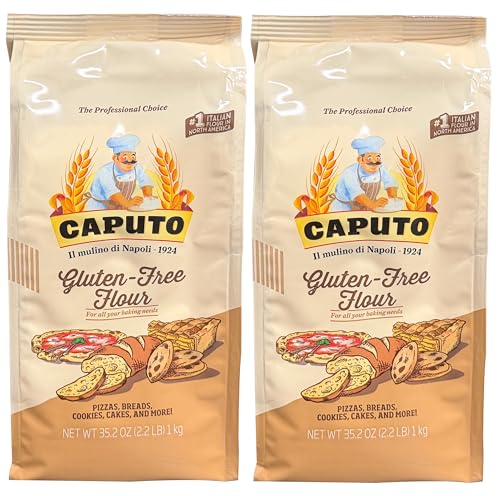
Caputo Fioreglut: This Italian gluten free flour blend is perfect for gluten free ciabatta because it can handle high hydration, which is key to achieving the open crumb and chewy texture ciabatta is known for. Its unique blend creates a dough traps air beautifully during fermentation, resulting in those classic holes. The crust bakes up crisp, while the inside stays soft and light - just like traditional ciabatta. Caputo Fioreglut does contain gluten-free wheat starch, making it suitable for those with Celiac Disease but NOT for individuals with a wheat allergy. You can read more about gluten free wheat starch here: What is gluten free wheat starch?
Brown Rice Flour: Baked goods made with Caputo Fioreglut can taste very bland, especially when they don't contain any eggs or dairy. This is why I love adding some super fine brown rice flour to my gluten free ciabatta. It not only helps with a better structure and crumb but also helps with flavor.
Olive Oil: The best oil to use in ciabatta is extra virgin olive oil. Ciabatta is an Italian bread, after all - so it only makes sense to use a good Italian oil.
Milk Powder: This is not a typical ingredient found in gluten free ciabatta, but during all my testing, I found it makes a big impact with the browning. Milk powder helps with browning because it contains both lactose (milk sugar) and proteins, which are key players in the Maillard reaction - the chemical reaction responsible for that golden-brown color and complex flavor in baked goods.

Tools needed to make Gluten Free Ciabatta
To successfully make this gluten free ciabatta bread you will need a few kitchen tools. Most likely you already have in your kitchen.
- Digital kitchen scale: is a must-have to make this recipe (or any of my recipes). For small amounts under 10 grams, I like to use this Precision Pocket Scale.
- A large mixing bowl: This dough comes together so quickly, you don't even need an electric mixer or stand mixer. I just mix it in a large mixing bowl by hand.
- Danish Dough Whisk or Wooden Spoon: Use something sturdy for mixing the ciabatta dough by hand.
- Two Sheet Pans: Ciabatta bakes up best on a hot surface - just like pizza. I don’t have a fancy pizza stone, so I use two half sheet pans instead. One stays in the oven (like a baking stone), and the other is for transferring the dough. Just make sure the one in the oven isn’t too dark or black - darker pans absorb more heat and can cause the bottoms of the gluten-free ciabatta rolls to overbake or burn. A well-used, light-colored pan works great here!
- You will also need heat-proof parchment paper and a digital thermometer (optional for the water temperature for the active dry yeast).
What is Ciabatta Bread?
Ciabatta may look like an old-world classic, but it’s actually a relatively modern Italian bread. It was first created in 1982 by a baker named Arnaldo Cavallari in Adria, a town in the Veneto region of northern Italy. Cavallari developed ciabatta as Italy’s answer to the French baguette - something with a chewy interior, crispy crust, and perfect for sandwiches. He named it ciabatta, meaning "slipper," because of its flat, oblong shape. Despite its young age, it quickly gained popularity and is now a staple in bakeries and, of course, Italian grocery stores around the world.

Pro Tips for making the BEST Gluten Free Ciabatta
High Hydration Dough: Ciabatta is known for its open crumb and airy texture, which comes from a wet, high-hydration dough. Don’t be tempted to add more flour - it’s supposed to be sticky!
Gentle Handling: To keep those beautiful air pockets, handle the gluten free ciabatta dough carefully during shaping. No heavy kneading or punching down - just be gentle with the dough.
Long(er) Fermentation: A long, slow rise (preferably several hours or even overnight in the fridge) helps develop flavor and structure.
Hot Baking Surface: Bake it on a preheated sheet pan or pizza stone for a crisp, golden crust. The initial blast of heat gives the bread great oven spring.
Ciabatta Bread Dough
This gluten free ciabatta dough is easy to mix and doesn’t require a stand mixer. I like to use a Danish dough whisk to bring it together, but a sturdy spoon or flexible spatula works just as well. The dough will be sticky (that’s a good sign!) - it’s the high hydration that gives ciabatta its signature open crumb and chewy texture.
- To activate active dry yeast, heat the water in a microwave-safe bowl for 30-60 seconds. The ideal temperature should be around 110°F (no hotter than 115°F, as this can kill the yeast). For accuracy, use a digital thermometer to check the water temperature.
- Once the water is warm, sprinkle the yeast and a pinch of brown sugar over the surface. Let it sit for about 10 minutes. You'll know your yeast is ready when it becomes bubbly and frothy. If it hasn’t bubbled and foamed up within 10 minutes, it may no longer be active. For the best results, it’s a good idea to start fresh.
- In the meantime, combine Caputo Fioreglut, super fine brown rice flour, light brown sugar, milk powder and kosher salt in a mixing bowl. Whisk to combine.
- Add the yeast mixture and extra virgin olive oil to the dry ingredients, and with a Danish Dough Whisk or wooden spoon, combine everything into a wet, slightly lumpy-looking mess of dough. Don’t worry if it looks loose and sticky - that’s exactly what you want. Ciabatta relies on high hydration to create its signature airy, open crumb and chewy texture. Just mix until no dry spots remain.
- With a flexible spatula, scrape down the side of the mixing bowl and shape the dough into a ball. This doesn't have to be perfect.
- Allow the dough to rest for 15-20 minutes. This gives the flour time to hydrate resulting in a bread dough that's easier to shape.

Shaping & Proofing
I use an upside down sheet tray to transfer my gluten free ciabatta into the oven. Make sure to use parchment paper (not wax paper) that can withstand high temperatures.
- Turn a half-sheet tray upside down and lay a piece of parchment paper on top - this will be your makeshift peel. You’ll use it as a surface for the ciabatta rolls to rise and then slide the parchment (with the dough) directly onto the hot pan or baking surface in the oven. Simple, effective, and no fancy equipment needed! Set aside until needed.
- Start by dusting a fresh piece of parchment paper with additional Caputo Fioreglut.
- Transfer the gluten free ciabatta dough onto the floured parchment.
- With floured hands, gently pat the dough into a rectangle—don’t press too hard, as you want to keep those lovely air bubbles intact. I usually aim for a shape around 6 x 7 inches.

- Using a bench scraper or sharp knife, cut the dough into four even portions. Don’t worry about making them perfect - ciabatta is meant to look rustic.
- Carefully lift each piece of dough off the parchment, and as you place it on your prepared tray, turn it upside down so the floured side ends up on top. This gives the rolls their signature rustic finish. Make sure to leave enough room between each of the rolls.
- Once shaped, cover the gluten free bread rolls with a clean tea towel. Let the dough rise in a warm place until 50% bigger than its original size. At this point, you can also refrigerate them for up to 8 hours and allow them to rise slowly in the fridge.
Depending on how warm your kitchen/proofing environment is, proofing can take anywhere from 60 - 90 minutes.

Baking Instructions
- Start by arranging your oven rack in the upper third and place a baking sheet upside down in the oven, with the flat surface on top. Baking the bread rolls in the upper third of the oven will reduce the chances of the bottoms to burn (Some american ovens can get very hot from the bottom)
- Once the gluten free ciabatta rolls are puffy looking and about 30 - 40% bigger than their original size preheat the oven to 475F. It will take at least 20 minutes for the oven to preheat fully. By the time the oven is fully preheated, the ciabatta will be ready to be baked.
- When the oven is fully preheated, open the oven door and carefully bring the sheet pan with the gluten free ciabatta as close as possible to the preheated sheet pan. Carefully slide the rolls WITH the parchment paper onto the hot sheet pan. Be sure to use oven mittens or wear long sleeves to reduce the risk of burns.
- Close the oven door and bake at 475F for 5 minutes. The high heat will help the ciabatta rolls to rise.
- After 5 minutes, WITHOUT opening the oven door, reduce the oven temperature to 425F. Continue baking the ciabatta rolls for another 15–17 minutes, or until they’re golden hue on top with a crisp, crackly texture. You’ll know they’re ready when they feel surprisingly light for their size - this usually means a nice, airy crumb inside. Give the bottom a gentle tap; if it sounds hollow, you’re good to go. For extra accuracy, the internal temperature should read 205–210°F. Baking times may vary depending on your oven!
- Once the gluten free ciabatta is ready, use the same sheet pan you previously used to transfer the bread to the oven to carefully remove the rolls. Be cautious, as the parchment paper may be slightly toasted.
- Carefully transfer the ciabatta to a wire rack to cool completely or at least 45 minutes. If sliced too early, the crumb (the bread's interior) can be gummy or doughy, leading to a less desirable texture.

Serving Ideas for Gluten Free Ciabatta
Gluten Free Ciabatta Rolls are super versatile and can be served in all kinds of delicious ways. The crust of the bread is actually on the softer side which makes these rolls perfect for sandwiches (or even burgers!)
- Sandwiches: Slice them in half and fill with your favorite ingredients - think caprese, grilled veggies, turkey and cheese, or prosciutto and arugula. And of course everyone's favorite summer sandwich: BLT (Bacon, Lettuce, Tomatoes)
- Dipping: Serve warm with olive oil and balsamic vinegar for dipping, or alongside soups and stews to soak up all the goodness.
- Toasted: Cut in half, toast lightly, and spread with butter, jam, or garlic and herb butter.
- Bread baskets: Add them to a bread basket at dinner - they pair beautifully with pasta dishes, salads, or anything Mediterranean-inspired.
Storage & Freezing
It’s no secret that gluten-free bread gets stale faster than traditional bread. To help it last a bit longer, store the fully cooled gluten-free ciabatta rolls in an airtight container or zip-top bag at room temperature. Just keep in mind - they’ll lose their crisp crust and turn a bit chewy the longer they sit, especially on humid days.
To bring them back to life, place the rolls on a sheet tray, cover with foil, and warm them in a 350°F oven for 10–15 minutes. The foil helps reheat them evenly without drying them out, and you’ll get that fresh-baked feel all over again.
To freeze the rolls, place them into a ziplock bag and try to squeeze out as much air as possible. Freeze up to 6 weeks. Allow the rolls to thaw in the fridge or on the counter. Once thawed, I recommend crisping them in the oven at 350F for 10-15 minutes (make sure to cover them with foil before baking).

Note about Salt in my Recipes
I use Diamond Kosher Crystal Salt in all of my recipes unless otherwise stated. If use use a different brand or kind of salt in your kitchen please adjust accordingly since some salts can be saltier. If you use Morton’s Kosher Salt please be aware that their salt granules are smaller in size, denser, and crunchier and twice as salty.
Baking in grams
I share my recipes in grams and by weight since baking by weight is the most accurate way to bake. Digital Scales are very affordable and easy to use. You can purchase them on Amazon for less than a set of measuring cups. For small amounts under 10 grams, I like to use this Precision Pocket Scale. Measuring cups are very inaccurate which can cause significant errors when it comes to gluten-free baking or baking in general. Especially since I bake with gluten-free flours which weigh differently than “regular” flours. I do provide some ingredients like spices and leavening agents in measuring spoons. To learn more about Baking with a digital scale, make sure to check out my post about Baking by weight.
Note about Ovens and Oven Temperatures
All my recipes are tested and developed with a conventional oven. I always bake my baked goods on the rack placed in the MIDDLE of my oven. This way the heat coming from the bottom will not burn my baked goods.
If you are baking with convection (fan-forced), please adjust the recipes accordingly. Convection oven can cause baked goods to dry out quickly and still be raw inside. Since takes at least 15-20 minutes for a standard American Oven to be fully preheated. I highly recommend investing in an Oven Thermometer.
Substitutions and Modifications
Any dietary or ingredient modifications/substitutions to this recipe may alter the end result in appearance and taste. I test my recipes several times as published in this post and The Gluten Free Austrian Blog is not responsible for the outcome of any recipe you find on our website.

More Gluten Free Savory Bakes to try


📖 Recipe
Gluten Free Ciabatta

This easy Gluten Free Ciabatta Bread recipe has a light, airy crumb, chewy texture, and crisp, golden crust - just like classic ciabatta. Baked with a rustic, artisan-style finish, it’s perfect for sandwiches, serving with soups, or enjoying fresh from the oven.
Ingredients
Gluten Free Ciabatta
- 200 grams water
- 4 grams active dry yeast
- pinch of sugar
- 150 grams Caputo Fioreglut (plus extra for shaping)
- 50 grams super fine brown rice flour
- 10 grams brown sugar
- 8 grams milk powder
- 3 grams kosher salt
- 20 grams olive oil
Instructions
Gluten Free Ciabatta Dough
- To activate active dry yeast, heat the water in a microwave-safe bowl for 30–60 seconds until it reaches 110°F (no hotter than 115°F, or it may kill the yeast). For best results, use a digital thermometer to check the temperature.
- Sprinkle the yeast and a pinch of sugar over the warm water. Let it sit for about 10 minutes, until bubbly and frothy. If your yeast doesn’t foam, it may no longer be active - start with a fresh packet for best results.
- Meanwhile, in a large mixing bowl, whisk together the Caputo Fioreglut, super fine brown rice flour, light brown sugar, milk powder, and kosher salt.
- Pour in the activated yeast mixture and extra virgin olive oil. Using a Danish dough whisk or wooden spoon, stir until you have a wet, slightly lumpy dough. It will look loose and sticky - this is exactly what you want. Ciabatta dough needs high hydration to develop its signature open crumb and chewy texture. Mix just until no dry flour remains.
- Use a flexible spatula to scrape down the sides of the bowl and gently shape the dough into a rough ball. It doesn’t have to be perfect.
- Let the dough rest for 15–20 minutes. This short rest allows the flour to fully hydrate, making the dough easier to work with in the next step.
Shaping & Proofing
I use an upside down sheet tray to transfer my gluten free ciabatta into the oven. Make sure to use parchment paper (not wax paper) that can withstand high temperatures.
- Turn a half-sheet tray upside down and place a piece of parchment paper on top—this makes a simple peel to transfer your ciabatta dough. Use it for the rolls to rise, then slide the parchment with dough directly onto a hot baking surface. No fancy tools needed! Set aside until ready.
- Dust a fresh piece of parchment with Caputo Fioreglut flour. Transfer the gluten free ciabatta dough onto it and gently pat into a 6 x 7-inch rectangle with floured hands. Be careful not to press too hard to preserve those signature air bubbles.
- Use a bench scraper or sharp knife to cut the dough into four even pieces. Rustic shapes are perfect here - perfection isn’t necessary.
- Carefully lift each piece and place it on a prepared tray, flipping them so the floured side is on top. Leave enough space between rolls for rising.
- Cover the rolls with a clean towel and let rise in a warm spot until about 50% larger. Alternatively, refrigerate for up to 8 hours to proof slowly.
Baking Gluten Free Ciabatta Rolls
- Position an oven rack in the upper third and place a sheet pan upside down inside the oven. Baking in the upper third helps prevent the bottoms from burning, especially in ovens that run hot from below.
- Once your gluten free ciabatta rolls look puffy and have risen about 30 - 40%, preheat the oven to 475°F. This will take at least 20 minutes, which gives the dough time to finish proofing.
- When fully preheated, carefully bring your tray of rolls close to the hot sheet pan and slide the parchment paper (with the ciabatta) directly onto it. Always use oven mittens and long sleeves for safety.
- Bake at 475°F for 5 minutes to help the rolls rise. Without opening the oven, reduce the temperature to 425°F and bake for another 15 - 17 minutes, or until golden and crisp. The rolls should feel light for their size and sound hollow when tapped on the bottom. For best accuracy, the internal temp should read 205–210°F.
- Carefully remove the rolls using your makeshift peel. Transfer the gluten free ciabatta to a wire rack and let cool for at least 45 minutes. Cutting too early can result in a gummy or doughy crumb.
Notes
Disclaimer: Caputo Fioreglut is the only flour blend I recommend for this recipe!
Where to buy: Caputo Fioreglut Gluten Free Flour is available at several online stores like Amazon and BrickOvenBaker. I am a big fan of BrickOvenBaker, which normally has a better price than Amazon. PLUS if you use the discount code DANIELA, you get 10% off your order.
Recommended Products
As an Amazon Associate and member of other affiliate programs, I earn from qualifying purchases.
Nutrition Information:
Yield:
4Serving Size:
1Amount Per Serving: Calories: 104
Calories are a guestimate and randomly generated.


Kristen says
Hi Daniela. Thank you for this recipe. I am so excited to try it. Do you use nonfat milk powder or whole milk powder? 🙂
Daniela says
I use non fat milk powder because it’s cheaper and has a longer shelf life
Kristen says
Hi...these rolls are delicious. The closest thing to the flavor and texture of real bread that I have had since going gluten free for celiac disease. They rose perfectly after 90 minutes, but then flattened out in the oven. Any suggestions? Perhaps an overnight rise in the refrigerator after portioned into rolls? Please let me know.
Daniela says
It's ciabattas nature to flatten out while baking. I am happy to try an overnight proof this weekend (I am currently renovating my kitchen and should be back in business by Sunday 🙂 )
Holly says
These were delicious! I used them as a burger bun. Super easy to make and will definitely make again! Thanks for a great recipe!!
George Brooks says
This recipe makes the only ciabatta my wife can eat. Hooray. Any suggestions on how best to double the recipe? My digital scale is not sufficiently precise to do small or single digit grams.
Daniela says
Love reading that the ciabatta is a hit with your wife. You should be able to just double the recipe 🙂
Nora says
These are in the making now and they look really god! They got a nice rise in the oven. But became dark pretty fast, after 5 min on 220 celsius/425 FH. So now I have turned down the temp to 210 C and put a baking sheet on top so they’re not burned. I have a brand new oven so I assume its accurate. Regards from Oslo!
Joan says
I hope you can help me figure out what went wrong. I followed your recipe to a "T" - the only variation was I used a pizza stone instead of the upside down sheet pan. It has always worked for me in the past. I place it in the upper third of the oven. It came out flat, very very dark, and hard as a brick. I hate that I wasted my coveted Caputo GF flour and very disappointed. Any suggestions?
Daniela says
It sounds like your oven heats very hot from the top. Do you have an oven thermometer? I also don’t know if you use an oven that heats from the top and the bottom. mine only heats from the bottom
Merry says
This is such a great recipe! I baked the loaves on parchment atop a pizza stone placed in the middle of the oven, and the end result was perfect. (My oven only heats from the bottom.)
SUSAN Goodman says
Can Gluten free breads like this one be parbaked until the bread is set but not browned, frozen, defrosted then finished at 425 degrees? I can just follow your directions for fully baking, then freezing then reheating. I really wanted a crispy crust for my gluten free guests. Your soft dinner rolls were a real hit.
Daniela says
Hi Susan, I have not tried this technique and never even thought about it. If you give it a try please let me know because I won't be able to test it myself until the new year. I am sorry about that.