

These Gluten Free Madeleines are a delicious and delicate French treat, perfect for any occasion. With their signature hump, golden-brown edges, and buttery flavor, these sweet little cakes melt in your mouth. Whether you're enjoying them at breakfast, with a warm cup of coffee, or serving them alongside afternoon tea, gluten free madeleines are a charming and irresistible dessert.

Jump to:
- Recipe Ingredient Notes
- Tools needed to make Gluten Free Madeleines
- What are Madeleines?
- Gluten Free Madeleine Batter
- Baking Gluten Free Madeleines
- Serving & Storage
- Pro Tips for Baking Madeleines
- FAQ - Gluten Free Madeleines
- Note about Salt in my Recipes
- Baking in grams
- Note about Ovens and Oven Temperatures
- Substitutions and Modifications
- 📖 Recipe
- 💬 Comments
Recipe Ingredient Notes
Gluten Free Flour: I tested my gluten free madeleine recipe with my own gluten free flour blend, King Arthur Measure for Measure, and Bob's Red Mill 1-1 (Blue Bag). While all three blends work in the recipe overall, King Arthur Measure for Measure produces the most beautiful "bump" on the madeleines and give them their signature melt-in-your-mouth texture. The flours used in testing these little cakes do contain xanthan gum.
Cornstarch: I like to add a little cornstarch to my madeleine batter. It helps create a softer, more tender texture.
Eggs: Eggs are an essential ingredient when baking gluten free madeleines. The proteins in eggs help set the batter as it bakes, giving madeleines their signature domed shape and delicate, spongy texture. Eggs also add moisture and contribute to the golden color. Make sure the eggs are at room temperature.
Milk: Adding a little milk to madeleine batter creates a moist, tender crumb and a lighter texture. It also brings a touch of richness and balances the flavor. I’ve tested this recipe with both whole milk and almond milk, and both work equally well.
Lemon Zest: Lemon zest adds a bright, fresh flavor to madeleines, balancing their buttery richness with a subtle citrus aroma.

Tools needed to make Gluten Free Madeleines
I tried my best to make this gluten free madeleine recipe very easy and approachable. But you will need a few kitchen tools to successfully make this recipe.
- Digital Kitchen Scale: a digital kitchen scale is a must-have to make this recipe (or any of my recipes).
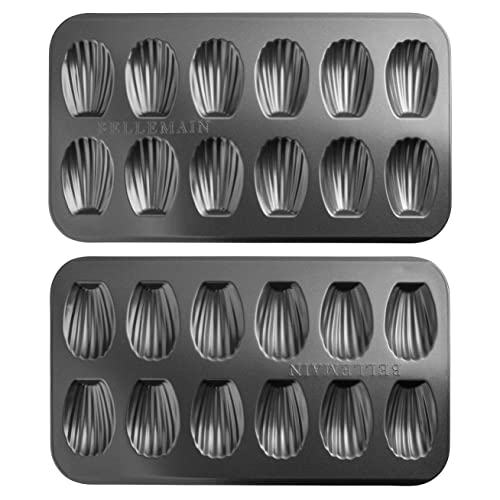
- Madeleine Pan: A madeleine pan is a baking mold designed specifically for making madeleines. It has individual shell-shaped cavities that give madeleines their signature scalloped pattern on one side and a domed, or “belly,” shape on the other. I recommend buying two pans. This will baking madeleines a lot easier.
- Stand Mixer or Electric Handmixer: I like using an electric stand mixer fitted with the whisk (balloon) attachment.
- 1 Tablespoon Cookie Scoop: While testing this madeleine recipe I realized using a 1 tablespoon cookie scoop is perfect for portioning out the madeleine batter. Using a scoop ensures consistency and helps avoid overfilling, which can lead to unevenly baked madeleines.
You will also need a pastry brush, a flexible spatula, a Microplane Grater (for the lemon zest), and a cooling rack.
What are Madeleines?
Madeleines are small, shell-shaped sponge cakes with a delicate, buttery flavor and a light, fluffy texture. Originally from France’s Lorraine region, they’re made with a simple batter of eggs, sugar, flour, and butter, often flavored with lemon zest or vanilla. Baked in a special pan, they have a characteristic ridged pattern on one side and a “belly” or “hump” on the other.
This “belly” is a hallmark of a well-made madeleine and forms due to temperature differences during baking. Chilling the batter before baking and using a hot oven causes the cold batter to rise quickly, creating the signature dome. The hump indicates a light, airy texture inside—a sign of success in madeleine baking.

Gluten Free Madeleine Batter
The key to madeleine batter is to ensure all the ingredients are at room temperature. I like to place the eggs in some warm water for 10-15 minutes before weighing out the amount needed. Warming the milk in the microwave for 10-15 seconds ensures it blends smoothly with the other ingredients.
I like to whisk the eggs and sugar in the bowl of the kitchen aid. Then just use the whisk attachment to fold in the dry ingredients, melted butter, and milk. You can also use a whisk for this.
- In a small bowl, whisk together the gluten-free flour, cornstarch, baking powder, and kosher salt. Set aside until needed.
- In a microwave-safe bowl, carefully melt the unsalted butter. Allow it to cool for a few minutes (this can also be done in a small saucepan on the stove). Set aside.
- In the bowl of your stand mixer, combine the granulated sugar and lemon zest. Use your fingers or the back of a spoon to rub the zest into the sugar. This will release the oils, enhancing the lemon flavor and giving the gluten-free madeleines a subtle lemony taste.
- Next, crack two eggs into a small bowl and whisk them together. Use a kitchen scale to measure out 80 grams of eggs. Be sure to tare (zero out) the scale with the empty bowl or container before weighing. You can store the leftovers for an egg wash in the fridge for up to 5 days.
- Add 80 grams of eggs to the lemon sugar, along with the vanilla extract. At a medium high speed whisk the eggs and sugar together until the mixture becomes pale, thick, and nearly doubles in volume.

- Turn off the mixer and remove the bowl from the stand mixer. Add the sifted dry ingredients in two additions, carefully folding them into the egg mixture with the whisk attachment or a regular whisk.
- Using a flexible spatula, scrape down the sides of the mixing bowl to ensure everything is combined with no pockets of flour.
- Retrieve the melted, cooled butter and add it to the madeleine batter little by little, folding it in with a whisk to ensure it’s fully combined. This may appear tricky in the beginning.
- Add the room-temperature milk to the batter. Carefully whisk until the batter is smooth.
- Scrape down the sides of the bowl, then cover the batter with plastic wrap.
- Place the gluten free madeleine batter in the fridge for at least one hour. (This step is essential and non negotiable)
Chilling the madeleine batter is key to achieving the beautiful, iconic rise and classic dome shape ( “belly” or “hump”).

Baking Gluten Free Madeleines
Before baking the madeleines, it's important to prepare the pans. I like to do this while the batter is chilling. My preferred method is to brush the pans with melted butter, which gives the madeleines a beautiful golden-brown color. While you can also use non-stick cooking spray or a combination of melted butter and flour, I found that the butter alone produces the best results. Using butter and a dusting of gluten-free flour can leave an odd aftertaste, so I recommend sticking with just melted butter for the best flavor and appearance.
Chilling the madeleine pans before baking helps the batter set more quickly when it hits the hot oven, promoting a better rise and a more defined hump.
- Preheat the oven to 400°F.
- Melt about 30-40 grams of unsalted butter and let it cool slightly. Use a pastry brush to coat each cavity of the madeleine pans with a thin layer of melted butter, making sure to cover all the grooves for easy release and even browning.
- Place the prepared madeleine pans in the freezer to help the butter set. This can improve the madeleines’ rise.
- Once the oven is fully preheated, retrieve one prepared madeleine pan from the freezer and the madeleine batter from the fridge.
- Using a small cookie scoop (I use a 1-tablespoon scoop), place one scoop of madeleine batter into each cavity.
- Place the pan in the preheated oven and bake for 6 minutes at 400°F. Then, without opening the oven door, drop the temperature to 365°F and continue baking for 4 more minutes, or until the edges are golden brown and the centers have puffed up with a dome. The madeleines should spring back when gently pressed on top, and a toothpick inserted into the center should come out clean.
- Remove the madeleine tin from the oven and place it on a cooling rack. Allow the madeleines to cool in the pan for 2 minutes before removing them. I like to place the baked madeleines with their ridged side down to avoid smushing their bellies.
- When baking the second pan of madeleines, make sure to reheat the oven to 400°F and bake as directed. If you only have one madeleine pan, allow it to cool for a few minutes, wash it with warm soapy water, dry it completely, and prepare the pan as directed.

Serving & Storage
Madeleines are best when freshly baked and still slightly warm. Dust them with powdered sugar and enjoy with a cup of coffee.
If you have leftovers, store gluten-free madeleines in an airtight container at room temperature, where they’ll stay fresh and soft. For longer storage, madeleines freeze well. Place them in a single layer on a baking sheet, freeze until solid, then transfer to an airtight container or freezer bag. They can be frozen for up to a month. To serve, let them thaw at room temperature or warm them in the oven for a few minutes to restore their freshness.
Unbaked madeleine batter can be stored in the fridge for up to 2 days, making it a great make-ahead option. When you're ready to bake, simply scoop the chilled batter into the prepared pans and bake as usual. If the batter has thickened too much, gently stir it to loosen it before filling the pans.
Pro Tips for Baking Madeleines
Avoid Overmixing the Batter: When folding in the dry ingredients and melted butter, be gentle. Overmixing can deflate the batter, which may affect the texture.
Chill the Batter: Always rest the gluten free madeleine batter in the fridge for at least an hour before baking. This helps the madeleines achieve their signature rise and hump.
Butter the Pan Well: For a golden, even bake, make sure to coat the madeleine pan with melted butter and chill the pan before filling it with batter. This also ensures easy removal of the madeleines.
Don’t Skip the Freezing Step: After buttering the pans, chill them in the freezer for a few minutes. This helps the butter set and creates a crisp exterior when baked.
Use a Cookie Scoop: For consistent portioning, use a small cookie scoop to place the batter into each cavity. This ensures the madeleines bake evenly.
Bake at High Heat First: Start baking at a higher temperature (400°F) for the first few minutes. This helps the madeleines rise quickly. Lower the temperature to 365°F to finish baking for a golden color and perfect dome shape.
Check for Doneness: The madeleines are done when they spring back when pressed and a toothpick inserted into the center comes out clean. If you wait too long, they can become overbaked and dry.
Cooling is Key: Let the madeleines cool for a couple of minutes in the pan before removing them. This allows them to firm up and prevents them from breaking apart.
Serve Warm or Fresh: Madeleines are best enjoyed fresh or slightly warm, but they can also be stored in an airtight container for a couple of days.

FAQ - Gluten Free Madeleines
A mini muffin tin can work well as a substitute. You won’t get the signature hump, but you’ll still get small, cake-like treats.
Madeleines are traditionally eaten with your hands, making them a casual yet elegant treat. Madeleines are often paired with a hot beverage like tea or coffee. You can gently dip them in your drink (though this is not necessary) for added flavor, especially if you prefer them a bit softer.
Madeleines are special because of their delicate, buttery texture and signature shell shape, which make them both charming and delicious. These small French treats are often associated with nostalgia and tradition, especially thanks to their role in literature and cultural history. Their lightness and subtle flavors, such as vanilla or citrus, make them a perfect pairing for tea or coffee.
Note about Salt in my Recipes
I use Diamond Kosher Crystal Salt in all of my recipes unless otherwise stated. If use use a different brand or kind of salt in your kitchen please adjust accordingly since some salts can be saltier. If you use Morton’s Kosher Salt please be aware that their salt granules are smaller in size, denser, and crunchier and twice as salty.
Baking in grams
I share my recipes in grams and by weight since baking by weight is the most accurate way to bake. Digital Scales are very affordable and easy to use. You can purchase them on Amazon for less than a set of measuring cups. For small amounts under 10 grams, I like to use this Precision Pocket Scale. Measuring cups are very inaccurate which can cause significant errors when it comes to gluten-free baking or baking in general. Especially since I bake with gluten-free flours which weigh differently than “regular” flours. I do provide some ingredients like spices and leavening agents in measuring spoons. To learn more about Baking with a digital scale, make sure to check out my post about Baking by weight.
Note about Ovens and Oven Temperatures
All my recipes are tested and developed with a conventional oven. I always bake my baked goods on the rack placed in the MIDDLE of my oven. This way the heat coming from the bottom will not burn my baked goods.
If you are baking with convection (fan-forced), please adjust the recipes accordingly. Convection oven can cause baked goods to dry out quickly and still be raw inside. Since takes at least 15-20 minutes for a standard American Oven to be fully preheated. I highly recommend investing in an Oven Thermometer.
Substitutions and Modifications
Any dietary or ingredient modifications/substitutions to this recipe may alter the end result in appearance and taste. I test my recipes several times as published in this post and The Gluten Free Austrian Blog is not responsible for the outcome of any recipe you find on our website.

📖 Recipe
Gluten Free Madeleines

These gluten-free madeleines are a delicious and delicate French treat, perfect for any occasion. With their signature hump, golden-brown edges, and buttery flavor, these sweet little cakes melt in your mouth. Whether you're enjoying them at breakfast, with a warm cup of coffee, or serving them alongside afternoon tea, gluten-free madeleines are a charming and irresistible dessert.
Ingredients
Gluten Free Madeleines
- 90 grams gluten free multi-purpose flour
- 15 grams cornstarch
- 5 grams baking powder
- 2 grams kosher salt
- 100 grams unsalted butter
- 85 grams granulated sugar
- Zest of 1 Lemon
- 2 large eggs, at room temperature (80 grams)
- 1 teaspoon vanilla extract
- 30 grams milk
For the Pan
- 40 grams unsalted butter
For Serving
- Powdered Sugar
Instructions
Gluten Free Madeleine Batter
The key to madeleine batter is to ensure all the ingredients are at room temperature. I like to place the eggs in some warm water for 10-15 minutes before weighing out the amount needed. Warming the milk in the microwave for 10-15 seconds ensures it blends smoothly with the other ingredients.
- In a small bowl, whisk together the gluten free flour, cornstarch, baking powder, and kosher salt. Set aside.
- In a microwave-safe bowl, melt the unsalted butter and allow it to cool for a few minutes (you can also melt it in a small saucepan). Set aside.
- In the bowl of a stand mixer, combine the granulated sugar and lemon zest. Rub the zest into the sugar using your fingers or the back of a spoon to release the oils and enhance the lemon flavor.
- Crack two eggs into a small bowl and whisk them together. Use a kitchen scale to measure out 80 grams of eggs. (Tip: tare the scale with the empty bowl before weighing.) Store any leftovers in the fridge for up to 5 days.
- Add the 80 grams of eggs and vanilla extract to the lemon sugar. Whisk at medium-high speed until the mixture becomes pale, thick, and nearly doubles in volume.
- Turn off the mixer and remove the bowl. Gradually add the sifted dry ingredients in two additions, carefully folding them into the egg mixture with a whisk or the whisk attachment.
- Using a flexible spatula, scrape down the sides of the bowl to ensure everything is fully combined and there are no pockets of flour.
- Slowly add the cooled, melted butter to the batter, folding it in with a whisk until fully incorporated (it may take a moment for the batter to absorb the butter).
- Add the room-temperature milk and carefully whisk until the batter is smooth.
- Scrape down the sides of the bowl, then cover the batter with plastic wrap.
- Chill the batter in the fridge for at least one hour (this step is essential).
Baking Gluten Free Madeleines
- Preheat the oven to 400°F (200°C).
- Melt 30-40 grams of unsalted butter and let it cool slightly. Use a pastry brush to coat each cavity of the madeleine pans with a thin layer of melted butter, making sure to cover all grooves for easy release and even browning.
- Place the prepared madeleine pans in the freezer to help the butter set. This can help improve the madeleines' rise.
- Once the oven is fully preheated, retrieve one prepared madeleine pan from the freezer and the chilled batter from the fridge.
- Using a small cookie scoop (about 1 tablespoon), place one scoop of batter into each cavity.
- Place the pan in the preheated oven and bake for 6 minutes at 400°F. Then, without opening the oven door, reduce the temperature to 365°F and bake for 3-4 more minutes, or until the edges are golden brown and the centers have puffed up into domes. The madeleines should spring back when gently pressed and a toothpick inserted into the center should come out clean.
- Remove the madeleine pan from the oven and place it on a cooling rack. Allow the madeleines to cool in the pan for 2 minutes before removing. I recommend placing the madeleines with the ridged side down to avoid smushing their bellies.
- For the second pan of madeleines, preheat the oven to 400°F again and bake as directed. If using only one pan, allow it to cool for a few minutes, wash it with warm soapy water, dry it completely, and prepare it as directed before baking the second batch.
Notes
Chilling: Chilling the madeleine batter is key to achieving the beautiful, iconic rise and classic dome shape ( “belly” or “hump”).
Serving: Madeleines are best when freshly baked and still slightly warm. Dust them with powdered sugar and enjoy with a cup of coffee.
Storing Unbaked Madeleine Batter: Unbaked madeleine batter can be stored in the fridge for up to 2 days, making it a great make-ahead option. When you're ready to bake, simply scoop the chilled batter into the prepared pans and bake as usual.
Recommended Products
As an Amazon Associate and member of other affiliate programs, I earn from qualifying purchases.
-
 King Arthur, Measure for Measure Flour, Certified Gluten-Free, Non-GMO Project Verified, Certified Kosher, 3 Pounds, Packaging May Vary
 -
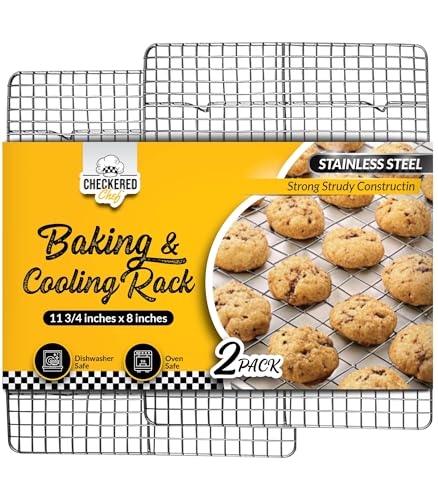
Checkered Chef Cooling Rack - Set of 2 Stainless Steel, Oven Safe Grid Wire Racks for Cooking & Baking - 8” x 11 ¾"
-
Bellemain Madeleine Pan | 12-Well Madeleine Mold Makes 12 Madeleine Cookies | Nonstick Tea Cake Pan for Madeleines, Cakelet Pan | Warp-Resistant Carbon Steel Madeline Pans (2-Pack)

Nutrition Information:
Yield:
20Serving Size:
1Amount Per Serving: Calories: 119
Calories are a guestimate and randomly generated.


Anna says
Perfect GF Madeleine recipe. Created characteristic bump! Great for a Sunday bake.
Daniela says
Thank you Anna! LOVE reading this
Susan Schulman says
Made this but overlooked weighing only 80 g of egg. Still turned out very well.
Jacqui says
The taste of these were amazing and I got the hump! However, the other side (in the pan with the ridges) got very brown/crispy and no ridges were seen! I even lowered the baking time and they still browned. Any suggestions? Maybe my oven temp is too high for me and they can cook longer at a lower temp?
Daniela says
Do you have an oven thermometer in your oven? And are you using metal madeleine pans?
Jacqui says
I don’t have a thermometer in my oven but I do have one. I’ll use that next time! I’ve definitely got the metal pans.
Daniela says
I would try the thermometer to see if your oven runs hot. Most ovens do.