

Gluten Free Sourdough Biscuits are what happens when buttery, tender biscuits meet the subtle tang and depth of sourdough. They’re flaky on the outside, soft on the inside, and just complex enough to feel a little fancy - without any extra fuss. Whether you’re using a bubbly, active starter or a few-days-old discard, they’re a delicious way to put that gluten free sourdough starter to work.

Jump to:
- Recipe Ingredient Notes
- Gluten Free Sourdough Biscuit Dough
- How to bake Sourdough Biscuits
- Serving Ideas
- Storage & Freezing
- Long Ferment Gluten Free Sourdough Biscuits
- Note about Salt in my Recipes
- Baking in grams
- Note about Ovens and Oven Temperatures
- Substitutions and Modifications
- More Gluten Free Sourdough Recipes
- 📖 Recipe
- 💬 Comments
Recipe Ingredient Notes
Gluten Free Flour: The best flour blend for making gluten-free sourdough biscuits is my Gluten-Free Cup4Cup Copycat Recipe (or the original Cup4Cup flour that contains milk powder). The added cornstarch creates a lighter crumb, which helps the biscuits rise and become tender and flaky. If you don’t have access to Cup4Cup or prefer not to make my copycat version, you can use a store-bought blend like Bob’s Red Mill. Just keep in mind - the texture might not be quite as light and flaky as it is with my Cup4Cup Copycat.
Sourdough Starter/Discard: Gluten Free Sourdough Starter adds a subtle tang and depth of flavor you won’t get from baking powder or baking soda alone. It makes the biscuits taste more complex and interesting. Plus it’s a great way to use up any sourdough starter you have on hand. This recipe works beautifully with either an active, recently fed gluten-free starter that’s nice and bubbly, or sourdough discard that’s just a few days old (around 2–4 days). It’s designed for a 50:50 gluten-free sourdough starter, meaning it’s made with equal parts flour (like brown rice) and water. If you don't have a sourdough starter on hand, I recommend checking out my Gluten Free Sourcream Biscuit Recipe instead.
Buttermilk: I’ve tested these sourdough biscuits using both real buttermilk and a DIY version made by mixing milk with vinegar or lemon juice. The biscuits made with real buttermilk consistently rose higher and had a noticeably better flavor compared to the ones made with the homemade substitute.
Butter: I only use unsalted butter in my baking recipes. Ensure the butter is cold, preferably frozen so one can easily grate it. This helps the biscuits to get those beautiful flaky layers. If you use salted butter, reduce the amount of kosher salt to ¼ teaspoon (or less).

Gluten Free Sourdough Biscuit Dough
Before You Start make sure the butter and buttermilk are as cold as possible. For the butter, pop it in the freezer for 15–30 minutes before grating. It should be firm enough to grate easily without starting to melt. Grating the butter also helps it distribute more evenly throughout the dough, which leads to a consistently tender texture in the finished sourdough biscuits.
- To grate the butter, use a box grater or cheese grater with large holes. Place a plate or a piece of parchment paper underneath to catch the shreds. Hold the grater in one hand and the cold butter in the other, grating over the large holes. Rotate the butter as you go to keep it from melting in your hands. Be careful near the end to avoid grating your fingers.
- Once grated, place the butter in the freezer while you prepare the rest of the ingredients.
- In a large mixing bowl, sift together the gluten-free flour, granulated sugar, baking powder, baking soda, and kosher salt. Set aside.
- In a separate bowl, whisk together the cold buttermilk and sourdough starter or discard. This makes it easier to combine evenly with the dry ingredients later. Set aside.
- Add the chilled grated butter to the dry ingredients. Using clean hands, gently work the butter into the flour mixture until it resembles a coarse, crumbly texture. These small bits of butter will create steam as they bake, helping to form the flaky layers we all love in biscuits.
- Next, add the buttermilk and sourdough mixture. Use a flexible spatula to stir just until the flour is fully moistened. The dough may look dry at first. But with a bit of mixing, it will come together into a shaggy-looking, workable biscuit dough.

- Transfer the gluten free sourdough biscuit dough to a parchment-lined sheet tray or a clean kitchen counter. Use your hands to gently bring the dough together. If needed, give it a quick knead. Just enough to make it cohesive, but not so much that you overwork it (that can affect the texture of your biscuits).
- Once the dough is gathered, shape it into a rough rectangle. The exact size doesn’t matter, but aim for a thickness of about ¾ to 1 inch.
- Now it’s time to fold: Fold the dough in half, then gently pat it back into a rectangle. Rotate it 90 degrees so the short side is facing you, and fold again. Pat it down one more time, rotate, and repeat the fold. That’s a total of three folds. If the dough starts to feel sticky - thanks to warm hands or a warm kitchen - pop it in the fridge for 5–10 minutes between folds. These folds are what create those beautiful, buttery, flaky layers.
- After the final fold, pat the dough into a rectangle about ¾ to 1 inch thick. Try not to go thinner than ¾ inch, or your biscuits may turn out flat and sad. I usually aim for around 5 x 7 inches.
- Place the uncut biscuit dough in the fridge for at least 15 minutes. This gives the butter time to chill again, which helps create steam during baking (aka flakiness). Chilling also makes the dough easier to cut. You can refrigerate the dough for up to 24 hours. Just keep in mind that after that, the baking powder and soda might start to lose their strength, and your biscuits may not rise as well.
- While the gluten free sourdough biscuits rests, preheat your oven to 400°F.

How to bake Sourdough Biscuits
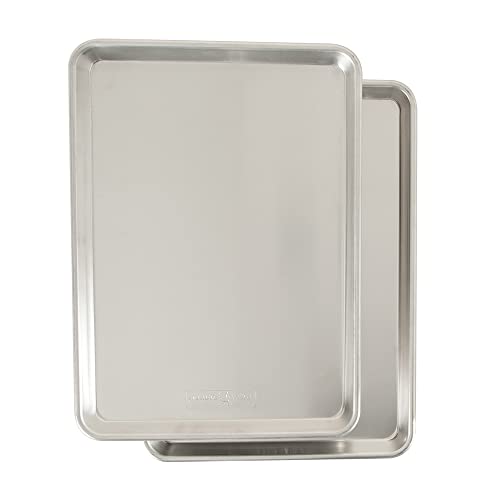
If your oven runs hot or you tend to get overly browned bottoms, try stacking two sheet trays and placing the biscuits on the top one. The double layer provides extra insulation, which helps prevent the bottoms from burning while still allowing the biscuits to bake evenly.
- Once the oven is fully preheated, use a sharp, clean knife to cut the biscuit dough into 6 equal pieces. You can absolutely use a round biscuit cutter if you prefer, but I like to just slice the dough - this way, I don’t have to worry about the biscuits made from scraps turning out less flaky or tender.
- Arrange the cut biscuits on a parchment-lined baking sheet, leaving a little space between each one. If you’d like, melt about 20 grams of butter and brush it over the tops of the unbaked biscuits for extra flavor and a golden finish. You can also use some additional buttermilk for this, but from baking many, many biscuits over the years, I learned that melted butter gives them a better color.
- Bake the gluten free biscuits at 400°F for 19 to 21 minutes, or until the tops are a light golden brown. The edges may be slightly darker.
- If you have an instant-read thermometer, you’re aiming for an internal temperature of about 190–200°F (88 – 93°C).
- Once baked, remove the tray from the oven and place it on a cooling rack. Let the biscuits rest on the tray for a few minutes before serving.

Serving Ideas
Biscuits often make an appearance at holiday dinners like Easter, Thanksgiving or Christmas, served alongside turkey, ham, and all the festive fixings. But they’re just as welcome year-round! Here are a few favorite ways to enjoy them:
- Butter and Jam: You can’t go wrong with a warm biscuit spread with butter and your favorite jam, marmalade, or a drizzle of honey. Simple and perfect.
- Shortcakes: Use gluten free sourdough biscuits as a base for strawberry shortcake (or peach shortcake!). Just slice, fill with sweetened fruit and a generous dollop of whipped cream.
- Biscuits and Gravy: Smother warm biscuits in sausage gravy - or go meatless with a creamy mushroom version = for a cozy, satisfying meal.
- Ham and Cheese Biscuits: Split and stuff with sliced ham and cheese for a quick savory snack or a light meal. Perfect for lunch or brunch.
- With Soup or Stew: Serve the biscuits on the side of your favorite soup or stew to soak up every last spoonful.
Storage & Freezing
Biscuits - especially gluten free ones - are at their absolute best still warm from the oven. But with proper storage, they stay tasty for a few days.
- Storing at Room Temperature:
Allow the gluten free sourdough biscuits to cool completely, then store them in an airtight container at room temperature for up to 1–2 days. To reheat, pop them in a 350°F (175°C) oven for 5–10 minutes until warmed through. - Freezing Baked Biscuits:
Wrap each biscuit individually in plastic wrap and place them in a freezer-safe bag or container. When you're ready to enjoy one, let it thaw at room temperature. Then reheat in a 350°F oven for 5–7 minutes. - Freezing Unbaked Biscuits:
After cutting the biscuit dough, place the unbaked biscuits on a sheet tray and freeze until solid (about 2 hours). Transfer to a zip-top bag and keep frozen until needed. Bake directly from frozen, adding a few extra minutes to the baking time.

Long Ferment Gluten Free Sourdough Biscuits
I’ve experimented with letting these sourdough biscuits ferment for an extended period, and the results are absolutely worth sharing. Some recipes suggest adding the salt, baking powder, and baking soda after fermentation, but honestly, I’ve found that nearly impossible. Once the dough has rested overnight, it’s way too delicate to mix in anything evenly without overworking it.
What works best for me is preparing the dough as written - with all the ingredients mixed in - then letting it ferment slowly in the fridge for up to 12–16 hours. This cold fermentation allows the sourdough starter to develop its signature tang without prematurely activating the leavening agents.
While the rise might be just a little less dramatic compared to freshly mixed dough, the boost in flavor more than makes up for it. The biscuits still bake up tender and beautifully flaky with a lovely depth that only sourdough can deliver.

Note about Salt in my Recipes
I use Diamond Kosher Crystal Salt in all of my recipes unless otherwise stated. If use use a different brand or kind of salt in your kitchen please adjust accordingly since some salts can be saltier. If you use Morton’s Kosher Salt please be aware that their salt granules are smaller in size, denser, and crunchier and twice as salty.
Baking in grams
I share my recipes in grams and by weight since baking by weight is the most accurate way to bake. Digital Scales are very affordable and easy to use. You can purchase them on Amazon for less than a set of measuring cups. For small amounts under 10 grams, I like to use this Precision Pocket Scale. Measuring cups are very inaccurate which can cause significant errors when it comes to gluten-free baking or baking in general. Especially since I bake with gluten-free flours which weigh differently than “regular” flours. I do provide some ingredients like spices and leavening agents in measuring spoons. To learn more about Baking with a digital scale, make sure to check out my post about Baking by weight.
Note about Ovens and Oven Temperatures
All my recipes are tested and developed with a conventional oven. I always bake my baked goods on the rack placed in the MIDDLE of my oven. This way the heat coming from the bottom will not burn my baked goods.
If you are baking with convection (fan-forced), please adjust the recipes accordingly. Convection oven can cause baked goods to dry out quickly and still be raw inside. Since takes at least 15-20 minutes for a standard American Oven to be fully preheated. I highly recommend investing in an Oven Thermometer.
Substitutions and Modifications
Any dietary or ingredient modifications/substitutions to this recipe may alter the end result in appearance and taste. I test my recipes several times as published in this post and The Gluten Free Austrian Blog is not responsible for the outcome of any recipe you find on our website.
More Gluten Free Sourdough Recipes


📖 Recipe
Gluten Free Sourdough Biscuits

These Gluten Free Sourdough Biscuits are soft, buttery, and perfectly flaky - great for everything from weekend brunch to cozy weeknight dinners. Enjoy them warm with butter and jam, use them for shortcakes, or serve them alongside soups, stews, or your favorite holiday meal. Can be made with an active gluten free sourdough starter or discard.
Ingredients
Gluten Free Sourdough Biscuits
- 113 grams unsalted butter, COLD
- 260 grams Cup4Cup Copycat Flour (*see Note!)
- 25 grams brown sugar
- 2 teaspoons baking powder
- ½ teaspoon baking soda
- ½ teaspoon kosher salt (2 grams)
- 120 grams buttermilk, COLD
- 120 grams gluten free sourdough starter or discard
- additional melted butter for baking
Instructions
Gluten Free Sourdough Biscuit Dough
- Using a box grater with large holes, grate the cold butter over a plate or piece of parchment paper. Rotate the butter as needed to keep it from melting in your hands. Place the grated butter in the freezer while you prep the other ingredients.
- In a large mixing bowl, sift together the gluten-free flour, sugar, baking powder, baking soda, and kosher salt. Set aside.
- In a separate bowl, whisk together the cold buttermilk and sourdough starter or discard. Set aside.
- Add the chilled grated butter to the dry ingredients. Use clean hands to gently mix until the butter is evenly distributed and the mixture looks crumbly, like coarse sand.
- Pour the buttermilk and sourdough mixture into the dry ingredients. Stir with a flexible spatula until everything is just moistened. The dough will look a little dry at first, but keep mixing—it will come together into a shaggy, workable dough.
- Transfer the gluten free sourdough biscuit dough to a parchment-lined sheet tray or a clean countertop. Gently bring it together with your hands. If needed, knead it just a few times.
- Shape the dough into a rough rectangle, about ¾ to 1 inch thick.
- Now fold: Fold the dough in half and gently pat it back into a rectangle. Rotate 90°, so the short side faces you. Fold again, then pat it down. Rotate once more and do one final fold for a total of 3 folds. If the dough gets sticky, chill it for 5–10 minutes between folds.
- After the last fold, pat the dough into a rectangle about 5 x 7 inches and ¾ to 1 inch thick. Don’t go thinner than ¾ inch - thinner dough can lead to flat biscuits.
- Refrigerate the uncut biscuit dough for at least 15 minutes. This helps firm up the butter, which creates steam (and flakiness) during baking. Chilling also makes the dough easier to slice. You can chill it for up to 24 hours, but keep in mind the leavening power may weaken after that.
- While the dough chills, preheat your oven to 400°F.
Baking Gluten Free Sourdough Biscuits
If your oven runs hot or your bakes tend to brown too much on the bottom, stack two sheet trays and place the biscuits on the top one. The extra insulation helps prevent burnt bottoms while still allowing for even baking.
- Once the oven is fully preheated to 400°F , use a sharp, clean knife to cut the biscuit dough into 6 equal pieces. You can also use a round biscuit cutter if you prefer, but I like to slice straight down - no rerolling scraps, which means every biscuit turns out just as flaky and tender.
- Arrange the biscuits on a parchment-lined baking sheet, leaving a bit of space between them. If you'd like, brush the tops with melted butter (about 20 grams) for extra flavor and a beautiful golden finish. You can also use buttermilk, but in my experience, butter gives a better color.
- Bake for 19–21 minutes, or until the tops are lightly golden and the edges are just beginning to brown. If you have an instant-read thermometer, the center should register 190–200°F when done.
- Remove the tray from the oven and place it on a cooling rack. Let the biscuits sit on the tray for a few minutes before serving.
Notes
Gluten Free Flour: The best flour blend for making gluten free sourdough biscuits is my Gluten Free Cup4Cup Copycat Recipe (or the original Cup4Cup flour that contains milk powder). The added cornstarch creates a lighter crumb, which helps the biscuits rise and become tender and flaky. If you don’t have access to Cup4Cup or prefer not to make my copycat version, you can use a store-bought blend like Bob’s Red Mill. Just keep in mind - the texture might not be quite as light and flaky as it is with my Cup4Cup Copycat.
Storing at Room Temperature: Allow the gluten free sourdough biscuits to cool completely, then store them in an airtight container at room temperature for up to 1–2 days. To reheat, pop them in a 350°F oven for 5–10 minutes until warmed through.
Recommended Products
As an Amazon Associate and member of other affiliate programs, I earn from qualifying purchases.
Nutrition Information:
Yield:
6Serving Size:
1Amount Per Serving: Calories: 370
Calories are a guestimate and randomly generated.



Carrie Schochet says
This is hands down the best biscuit I’ve ever tasted. Wow! Thank you for developing such an amazing treat!
Daniela says
Carrie this makes me so happy! Thank you so so much for your kind words
Carla says
Made these today - delicious. I ended up using King Arthur GF Bread Flour as that's what I had on hand and had been using for my starter. I also never have buttermilk on hand but keep Saco powdered in my fridge for baking. Had to ask Google to help with the measurements since doing it by weight, and I had to add a little more water than they suggested, but they turned out great. Thanks for the recipe!
Daniela says
Thanks for sharing. Glad this worked out for you 🙂