

These Gluten Free Sourdough Discard Scones are the perfect way to put that extra sourdough starter to good use. Buttery and tender with crisp, golden edges and a subtle tang from the discard, they come together quickly and are endlessly customizable. Ideal for breakfast, brunch, or an afternoon treat with a cup of tea.

Jump to:
- Recipe Ingredient Notes
- Gluten Free Sourdough Discard Scone Dough
- How to bake Sourdough Discard Scones
- Storage & Freezing Tips for Scones
- Add-ins and Variations
- Note about Salt in my Recipes
- Baking in grams
- Note about Ovens and Oven Temperatures
- Substitutions and Modifications
- More Sourdough Discard Recipes
- 📖 Recipe
- 💬 Comments
Recipe Ingredient Notes
Gluten Free Flour: For gluten free sourdough discard scones, I prefer a gluten free flour blend like my gluten-free multi purpose flour blend, King Arthur Measure for Measure, or Bob's Red Mill 1-to-1. These blends provide a balanced texture without being too dense or gummy. Make sure your blend contains xanthan gum. If it does not, add a scant ½ teaspoon to the dry ingredients.
Sourdough Discard: Sourdough adds a little tang. It's subtle, not overpowering- think of it as a quiet background note that makes everything else taste better. It gives your scones that “something special” without screaming I’m sourdough! Just like my Sourdough Biscuits, you can either use an active, recently fed gluten-free starter that’s nice and bubbly, or sourdough discard that’s just a few days old (around 2–4 days). It’s designed for a 50:50 gluten-free sourdough starter, meaning it’s made with equal parts flour (like brown rice) and water.
Butter: To achieve flaky and tender scones, using butter is a must. I recommend using unsalted butter for baking. If you prefer using salted butter, please reduce the amount of salt in the recipe to ¼ teaspoon (1 gram). If you follow a non-dairy diet, you can use your preferred dairy-free or vegan butter substitute (avoid the spreadable kind).
Heavy Cream (or Milk): You can use whole milk, heavy cream, or even half-and-half in this recipe. I also tried this recipe for sourdough discard scones with buttermilk, so that's an option as well. My personal favorite is heavy cream, which adds fat, flavor, and structure to the sourdough scones. Keep in mind that scones made with milk spread a bit more and a little less rich.

Gluten Free Sourdough Discard Scone Dough
Make sure the butter and heavy cream (or milk) are as cold as possible. For the butter, pop it into the freezer for 15–30 minutes before grating - it should be firm enough to grate easily without melting in your hands. Grated butter blends more evenly into the dough.
I like to fold my scone dough just like my gluten free biscuit dough to give it those nice buttery layers and takes scones to the next level.
- Line a baking sheet with parchment paper and set it aside.
- To grate the butter, use a box grater or cheese grater with large holes. Place a plate or a piece of parchment paper underneath to catch the shreds. Hold the grater in one hand and the cold butter in the other, grating over the large holes. Rotate the butter as you go to keep it from melting in your hands. Be careful near the end to avoid grating your fingers.
- Once grated, place the butter in the freezer while you prepare the rest of the ingredients.
- In a large bowl, whisk together the gluten free flour, granulated sugar, baking powder, and kosher salt, then set aside.
- In a separate bowl, whisk together the cold heavy cream (or more milk), a cold large egg, vanilla extract, and sourdough starter or discard it. This will make it easier to combine evenly with the dry ingredients later. Set aside.
- Add the chilled, grated butter to the dry ingredients. Using clean hands, gently work the butter into the flour mixture until it resembles a coarse, crumbly texture with small pea-sized bits throughout. These little pockets of butter will melt as the scones bake, creating that tender, slightly crumbly texture that makes scones so irresistible.
- This is the step where you can add some add-ins like mini chocolate chips or blueberries. Fold them into the mixture before adding the wet ingredients.
- Add the heavy cream sourdough mixture to the dry ingredients. Using a flexible spatula, gently fold the mixture together just until no dry pockets of flour remain. The dough might seem a bit dry and crumbly at first, but with a few more turns, it will come together into a slightly shaggy, yet cohesive scone dough.

- Transfer the gluten free scones dough to the parchment-lined large baking sheet or a clean kitchen counter and gently knead until the dough comes together (a brief 30 seconds
- Once the dough is gathered, shape it into a rough rectangle. The exact size doesn’t matter, but aim for a thickness of about ¾ to 1 inch.
- Now it’s time to fold: Fold the dough in half, then gently pat it back into a rectangle. Rotate it 90 degrees so the short side is facing you, and fold again. Pat it down one more time, rotate, and repeat the fold. That’s a total of three folds. If the dough starts to feel sticky, thanks to warm hands or a warm kitchen, pop it in the fridge for 5–10 minutes between folds. (This might be an usual step for scones, but it makes a big difference in the finished product)
- Once you have folded the dough 3 times, shape the dough in a 7-inch circle, around ¾" - 1" thick. Do not go thinner than ¾" or you will end up with flat, sad scones.
- Place the uncut dough for gluten free sourdough discard scones in your fridge for at least 30 minutes. This gives the butter in the dough time to chill down again and will ensure light and flaky sourdough scones. Chilling the dough also makes it a lot easier to cut. You can refrigerate the dough for up to 24 hours. Just keep in mind that after that, the baking powder might start to lose its strength, and your scones may not rise as well.

How to bake Sourdough Discard Scones
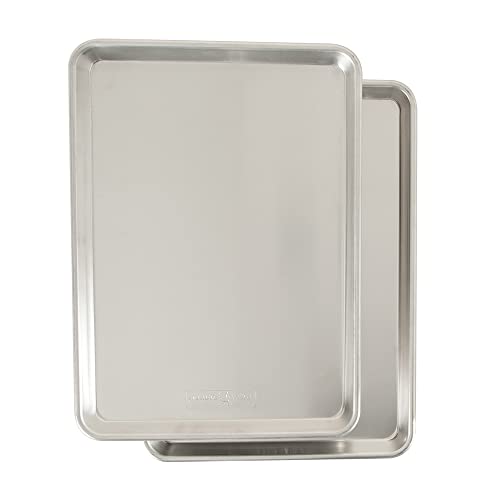
If your oven runs hot or your scone bottoms tend to brown too much, try stacking two baking sheets. Place the scones on the top tray - the extra layer underneath helps prevent burning while still letting them bake evenly.
- When ready to bake the gluten free sourdough scones, preheat the oven to 400°F.
- When your oven reaches 400°F, remove the scone dough from the fridge and use a sharp knife to cut it into eight equally sized wedges. For 8 scones, cut the round into quarters, then cut each quarter in half.
- Arrange the gluten free sourdough discard scones on the prepared sheet tray. With a pastry brush, lightly brush them with additional heavy cream (or milk) and sprinkle the tops of the scones with some raw sugar if you like.
- Bake at 400°F for 22-24 minutes until golden brown and their internal temperature is around 200–205°F
- Once baked, remove the tray from the oven and place it on a cooling rack. Let the scones rest on the tray for a few minutes before serving. If you plan on topping them with a glaze, make sure to cool them completely before doing so.

Storage & Freezing Tips for Scones
Scones - gluten free or not - are always best enjoyed the day they’re baked. If you have any leftovers, store them in an airtight container at room temperature for up to 3 days. To refresh them, pop one in the microwave at 50% power for about 30 seconds until just warmed through.
Freezing Baked Scones: Let the sourdough discard scones cool completely, then place them in a freezer-safe bag or an airtight container. Freeze for up to 3 months. Thaw at room temperature when ready to enjoy. If your scones have a glaze (like lemon), just know it might become a little sticky after freezing.
Freezing Unbaked Scones (Highly Recommended!): Cut the gluten free scone dough, place it on a sheet tray, and freeze until solid. Transfer to a ziplock bag and freeze for up to 1 month. If you would like to freeze them for an extended period of time, I recommend wrapping each unbaked scone in plastic wrap for extra protection from freezer burn. When ready to bake, bake them straight from frozen but please be aware they will need additional 4-6 minutes to bake (depending on your oven).
Add-ins and Variations
This recipe for Gluten Free Sourdough Discard Scones is a great base recipe to have on hand. Here are a few variations you can take them to the next level with a few simple add-ins.
Sourdough Chocolate Chip Scones: I prefer using Mini Chocolate Chips to make these. Fold in about 100 - 125 grams of Mini Chocolate Chips into the scone batter before adding the wet ingredients. If you like, top the chocolate chip scones with additional chocolate chips after baking.
Raspberry White Chocolate Scones: Add 125 grams of frozen raspberries and 125 gams of white chocolate chips along with ⅛ teaspoon almond extract (a little goes a long way). Be careful with folding in the raspberries - they tend to break up easily.
Almond Cherry: Add about 100 grams of dried cherries (roughly chopped), along with a handful of slivered or sliced almonds and ⅛th of teaspoon of almond extract. If you like, top the scones with some additional sliced almonds before baking.

Note about Salt in my Recipes
I use Diamond Kosher Crystal Salt in all of my recipes unless otherwise stated. If use use a different brand or kind of salt in your kitchen please adjust accordingly since some salts can be saltier. If you use Morton’s Kosher Salt please be aware that their salt granules are smaller in size, denser, and crunchier and twice as salty.
Baking in grams
I share my recipes in grams and by weight since baking by weight is the most accurate way to bake. Digital Scales are very affordable and easy to use. You can purchase them on Amazon for less than a set of measuring cups. For small amounts under 10 grams, I like to use this Precision Pocket Scale. Measuring cups are very inaccurate which can cause significant errors when it comes to gluten-free baking or baking in general. Especially since I bake with gluten-free flours which weigh differently than “regular” flours. I do provide some ingredients like spices and leavening agents in measuring spoons. To learn more about Baking with a digital scale, make sure to check out my post about Baking by weight.
Note about Ovens and Oven Temperatures
All my recipes are tested and developed with a conventional oven. I always bake my baked goods on the rack placed in the MIDDLE of my oven. This way the heat coming from the bottom will not burn my baked goods.
If you are baking with convection (fan-forced), please adjust the recipes accordingly. Convection oven can cause baked goods to dry out quickly and still be raw inside. Since takes at least 15-20 minutes for a standard American Oven to be fully preheated. I highly recommend investing in an Oven Thermometer.
Substitutions and Modifications
Any dietary or ingredient modifications/substitutions to this recipe may alter the end result in appearance and taste. I test my recipes several times as published in this post and The Gluten Free Austrian Blog is not responsible for the outcome of any recipe you find on our website.
More Sourdough Discard Recipes


📖 Recipe
Gluten Free Sourdough Discard Scones

These Gluten Free Sourdough Discard Scones are everything you want in a scone: tender, crumbly edges, and just the right amount of tang from the sourdough discard. They're an easy way to use up extra sourdough starter and can be customized with your favorite add-ins - sweet or savory.
Ingredients
Gluten Free Sourdough Scones
- 113 grams unsalted butter, cold
- 235 grams gluten-free multipurpose flour
- 2 ½ teaspoons baking powder
- ¾ teaspoons (3 grams) kosher salt
- 80 grams granulated white sugar
- 120 grams gluten free sourdough starter/discard
- 55 grams heavy cream, cold
- 1 large egg, cold
- 1 teaspoon vanilla extract
For baking
- Additional Heavy Cream/Milk
- Coarse Sugar
Instructions
Gluten Free Sourdough Discard Scones
- Using a box grater with large holes, grate the cold butter over a plate or piece of parchment paper. Rotate the butter as needed to keep it from melting in your hands. Place the grated butter in the freezer while you prep the other ingredients.
- In a large mixing bowl, sift together the gluten-free flour, granulated sugar, baking powder, and kosher salt. Set aside.
- In a separate bowl, whisk together the cold heavy cream, large egg, vanilla extract and sourdough starter or discard. Set aside.
- Add the chilled, grated butter to the dry ingredients. Using clean hands, gently work it in until the mixture looks crumbly with pea-sized bits of butter throughout. If using add-ins like mini chocolate chips or blueberries, fold them in now before adding the wet ingredients.
- Pour the heavy cream and sourdough mixture into the bowl. Use a flexible spatula to gently fold everything together just until no dry flour remains. The dough may seem dry at first but will come together with a few more folds.
- Transfer the dough to a parchment-lined baking sheet or clean surface. Knead gently for about 30 seconds, just until it holds together.
- Shape into a rough rectangle, about ¾" to 1" thick. Fold the dough in half, pat it back into a rectangle, rotate 90 degrees, and fold again. Repeat for a total of three folds. If the dough gets too soft or sticky, chill it in the fridge for 5–10 minutes between folds.
- After folding, shape the dough into a 7-inch circle, keeping it at least ¾" thick. Thinner dough will lead to flat scones.
- Refrigerate the uncut dough for at least 30 minutes (up to 24 hours). This helps firm up the butter for light, flaky scones and makes cutting easier. Note: After 24 hours, the baking powder may lose strength and affect the rise.
Baking Instructions
If your oven runs hot or your scone bottoms tend to brown too much, try stacking two baking sheets. Place the scones on the top tray - the extra layer underneath helps prevent burning while still letting them bake evenly.
- Preheat the oven to 400°F.
- Once the oven is ready, remove the chilled dough from the fridge. Using a sharp knife, cut the dough into 8 equal wedges (cut the circle into quarters, then each quarter in half).
- Place the scones on a parchment-lined baking sheet. Brush the tops lightly with heavy cream or milk, and sprinkle with raw sugar, if desired.
- Bake for 22–24 minutes, or until golden brown and the internal temperature reaches 200–205°F.
- Let the scones cool on the tray for a few minutes before serving.
- If glazing, allow them to cool completely first.
Notes
Heavy Cream (or Milk): You can use whole milk, heavy cream, or even half-and-half in this recipe. I also tried this recipe for sourdough discard scones with buttermilk, so that's an option as well. My personal favorite is heavy cream, which adds fat, flavor, and structure to the sourdough scones. Keep in mind that scones made with milk spread a bit more and a little less rich.
Recommended Products
As an Amazon Associate and member of other affiliate programs, I earn from qualifying purchases.
Nutrition Information:
Yield:
8Serving Size:
1Amount Per Serving: Calories: 338
Calories are a guestimate and randomly generated.



Jordan says
So so so good! Buttery and flakey. Thanks for this recipe. I folded in blueberries.
Beth says
The flavor is great, and these are really easy to make, but they came out really dry. I followed the recipe exactly, and baked them for 20 minutes. I want to try again. Any suggestions?
Daniela says
Without knowing what gluten free flour you used, it's a wild guessing game. It's also very much possible that your oven runs hotter than mine. Do you have an oven thermometer in your oven? Do you bake with a fan? Also if you cut the scones smaller than I did, you may just overbaked them.
Jenn says
These turned out delicious! Like Jordan, I folded in blueberries — wanted at least one in each bite, so I compensated by adding an additional bit of sourdough discard and flour. For a first timer, they turned out wonderfully!! I’ll be making them again this Friday, getting them prepped to bake Saturday before friends arrive for my first tea gathering!! If you can’t tell, I’m super excited!! 😀 Thanks so much for sharing your recipe!!